
Preparing Your Trees for South Dakota Winter and Ice Storms
If you’ve lived through a Sioux Falls winter, you know exactly what our trees face each year. Those April ice storms that coat everything in an inch of glaze. The January cold snaps that plunge temps to twenty below. The heavy, wet snow in March that bends branches to the breaking point. Preparing your trees for South Dakota winter and ice storms isn’t just about aesthetics or property values. It’s about protecting your investment and preventing the heartbreak of watching a mature oak or elm you’ve admired for decades split down the middle during a February blizzard. This guide walks you through everything Sioux Falls homeowners need to know to help their trees survive another Upper Midwest winter.
Open SpotCommunity Champion businesses can claim this spot free. Find out how visibility works on Sioux Falls Go.
See how it works →Why South Dakota Winters Are Uniquely Challenging for Trees
Our climate here in the Sioux Falls area presents a combination of stresses that many trees simply aren’t built to handle. Understanding these challenges helps explain why proactive preparation matters so much more here than in milder regions.
The freeze-thaw cycles we experience from late fall through early spring cause tremendous stress to tree bark and root systems. A warm January day might push temps into the forties, only to plummet back below zero that same night. This rapid temperature swing causes bark to expand and contract, leading to frost cracks that can permanently damage tree trunks. Drive through any established Sioux Falls neighborhood and you’ll spot vertical splits on the south and southwest sides of mature trees, evidence of winters past.
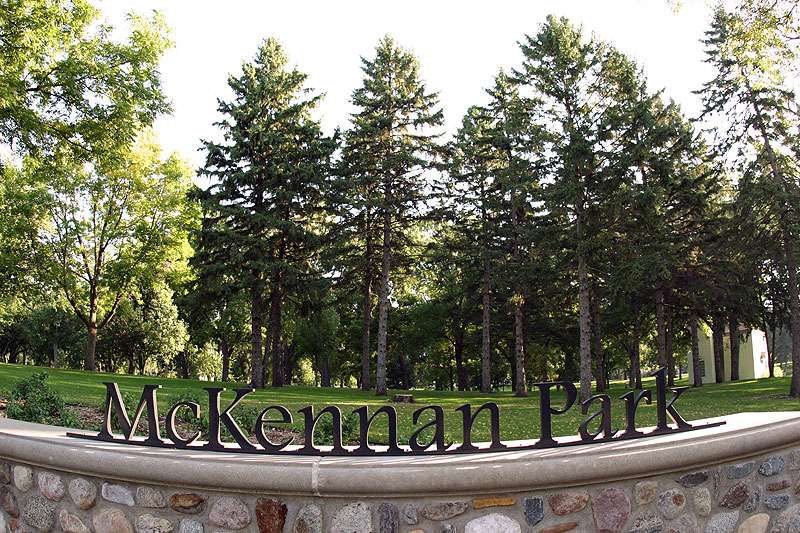
Ice accumulation presents perhaps our most dramatic threat. The National Weather Service office in Sioux Falls regularly issues ice storm warnings during late winter and early spring when moisture from the Gulf meets cold Canadian air over the Dakotas. Even a quarter inch of ice adds tremendous weight to branches. A half inch or more can bring down limbs that have withstood decades of weather. Those beautiful silver maples that line so many streets in the McKennan Park area and throughout older neighborhoods are particularly vulnerable because of their brittle wood and heavy branching.
Heavy snow loads compound the ice problem. When wet spring snow piles onto branches already stressed from ice accumulation, the combined weight exceeds what even healthy trees can bear. This is why so many homeowners call for emergency tree removal in Sioux Falls during March and April storms rather than the deep winter months you might expect.
Fall Inspection and Assessment to Prepare Trees for Winter
The best time to prepare trees for South Dakota winter is during fall, before the ground freezes and while you can still clearly see the tree’s structure. A thorough inspection now can prevent emergency situations later.
Start by walking your entire property and examining each tree from multiple angles. Look for dead branches, which appear gray and brittle compared to living wood. These dead limbs will be the first to fail under snow and ice loads. Pay special attention to branches that hang over your house, garage, vehicles, or power lines. A branch that seems stable in October becomes a serious liability when coated in ice.
Check for signs of structural weakness in the trunk and major limbs. Cracks, cavities, and areas where bark is missing or damaged indicate potential failure points. V-shaped branch unions, where two branches grow closely together with included bark between them, are structurally weak and prone to splitting. Compare these to U-shaped unions, which are much stronger. Trees with multiple V-unions throughout their canopy may need professional assessment before winter arrives.
Look at the overall balance of your trees. Has one side grown heavier than the other? Lopsided trees face increased wind resistance and uneven weight distribution during storms. This is particularly common when trees grow near buildings or when previous storm damage removed branches from one side.
Don’t forget to examine the root zone. Soil heaving around the base of a tree can indicate root problems that make the entire tree unstable. Construction damage, soil compaction from vehicles, and grade changes can all compromise root systems in ways that aren’t obvious until a storm brings the tree down. For guidance on tree services in Sioux Falls, our complete guide covers what to look for and when to call professionals.
Strategic Pruning Before Winter Arrives
Proper pruning is your most effective tool for preparing trees for South Dakota winter conditions. However, timing and technique matter enormously. Done incorrectly, pruning can actually increase winter damage rather than prevent it.
Late fall through early winter is generally ideal for pruning most deciduous trees in our area. The tree has entered dormancy, reducing stress from the cuts. You can see the branch structure clearly without leaves obscuring your view. And insect pests and disease organisms are less active, reducing infection risk at pruning wounds.
Focus first on the three D’s: dead, damaged, and diseased wood. Removing these branches reduces weight and eliminates weak points likely to fail during storms. Cut back to healthy wood or to the branch collar where the limb meets a larger branch or the trunk. Avoid leaving stubs, which invite decay, but also avoid cutting flush with the trunk, which removes the branch collar tissue that helps wounds heal.
Address crossing and rubbing branches next. When two branches contact each other, they wear away bark and create wounds that weaken both limbs. Remove the less desirable of the two, typically the one growing toward the tree’s interior or at an awkward angle.
Consider the overall crown density. Trees with very dense canopies catch more wind, snow, and ice than those with more open structures. Selective thinning removes some interior branches to allow wind to pass through rather than pushing against the canopy like a sail. This technique, called crown thinning, can dramatically reduce storm damage risk. Our guide to the best time to trim trees in South Dakota provides more detail on seasonal timing for different species.
A word of caution about pruning evergreens: spruce, pine, and juniper are best pruned during their active growth period in late spring and early summer. Fall pruning of evergreens can stimulate new growth that won’t harden off before winter, leading to dieback and cold damage.
Protecting Young Trees and Recent Transplants
Newly planted trees and those transplanted within the past two to three years face additional winter challenges. Their root systems haven’t fully established, making them more susceptible to frost heaving and winter drought stress. Extra protection measures are essential for these vulnerable trees.
Apply a three to four inch layer of organic mulch around young trees, extending out to the drip line but keeping mulch several inches away from the trunk itself. Mulch piled against bark creates moisture conditions that promote rot and provides hiding spots for rodents that chew bark during winter. The mulch layer insulates roots from temperature extremes and helps maintain soil moisture during winter dry spells.
Wrap the trunks of thin-barked young trees to prevent sunscald and frost cracking. Paper tree wrap or plastic tree guards applied in fall and removed in spring protect vulnerable bark from the intense temperature fluctuations that occur on sunny winter days. This is especially important for maples, ashes, honey locusts, and fruit trees, all of which are susceptible to southwest winter injury.
Water young trees thoroughly before the ground freezes. Winter drought kills more young trees in South Dakota than cold temperatures alone. Roots continue to lose moisture through the winter, and frozen soil prevents uptake of replacement water. A deep watering in late October or November ensures trees enter winter with adequate moisture reserves.
Consider installing physical protection for the most vulnerable young trees. Burlap screens on the south and west sides block winter sun and wind while still allowing air circulation. Temporary snow fencing can protect small trees from heavy snow accumulation and salt spray near roads.
Addressing Specific Winter Threats to Common Sioux Falls Trees
Different tree species face different winter challenges. Understanding your specific trees’ vulnerabilities helps you prioritize protection efforts.
Silver maples, so common throughout Sioux Falls, are notoriously prone to ice storm damage due to their weak wood and dense branching. Proactive crown thinning and removal of codominant stems can significantly reduce failure risk. Many mature silver maples benefit from cabling and bracing of major limbs, a task for professional tree care experts with proper equipment and training.
Green ash trees, though threatened by emerald ash borer, still make up a significant portion of Sioux Falls’ urban forest. Their branching pattern makes them susceptible to snow and ice accumulation. Maintaining a strong central leader through proper pruning when trees are young prevents the weak branch unions that fail during storms.
Bur oaks are among our hardiest native trees, but even these tough specimens can suffer from frost cracks and winter drought. Young bur oaks benefit from trunk wraps and supplemental watering. Mature trees rarely need winter protection but should be inspected for dead wood that could fall during storms.
Colorado blue spruce, popular throughout the area, faces unique challenges from heavy, wet snow that accumulates on its dense horizontal branches. After heavy snowfalls, gently brush snow from branches with an upward sweeping motion before it has a chance to freeze into ice. Never attempt to break or shake ice from branches, as this causes more damage than the ice itself.
When to Call Professional Help for Winter Tree Preparation
While homeowners can handle basic inspection and minor pruning of small trees, many winter preparation tasks require professional expertise and equipment. Knowing when to call in experts protects both you and your trees.
Any pruning that requires a ladder or reaching above your head should be left to professionals. Falls from ladders cause thousands of serious injuries each year, and the risks multiply when working with cutting tools. Certified arborists have proper climbing equipment, rigging systems, and safety training to work safely at height.
Large branch removal, especially branches near power lines or structures, requires professional assessment and execution. A falling branch can cause far more damage than the problem it was intended to prevent. Professionals understand the physics of how branches fall and can control the process to protect property.
Cabling and bracing weak branch unions is highly technical work that, done incorrectly, can actually cause tree failure. Proper cable installation requires understanding tree biomechanics and using appropriate hardware installed at correct angles and heights. This is not a DIY project.
If your inspection reveals significant structural defects, decay, or root problems, get a professional assessment before winter. A certified arborist can determine whether the tree can be preserved through treatment and structural support or whether removal is the safer option. Understanding tree removal costs in Sioux Falls helps you budget for this possibility. For guidance on selecting qualified help, consult our guide on how to choose a tree service company in Sioux Falls.
Creating a Winter Tree Emergency Plan
Even with excellent preparation, South Dakota winters can produce conditions that overwhelm even healthy trees. Having a plan in place before disaster strikes reduces stress and speeds recovery.
Document your trees now, while they’re intact. Take photos from multiple angles showing the overall structure. Note species, approximate size, and any concerns you’ve identified. This documentation proves invaluable for insurance claims if storm damage occurs.
Review your homeowner’s insurance policy to understand what tree damage coverage you have. Most policies cover damage to structures caused by falling trees but may have limited coverage for tree removal itself or for trees that fall without hitting anything. Consider whether additional coverage makes sense given your property’s tree situation.
Identify in advance who you’ll call if you need emergency tree services. After major storms, every tree service in town is swamped with calls. Establishing a relationship with a reputable company before you need them can mean faster response when disaster strikes. Keep emergency contact numbers somewhere accessible even if power is out.
Know when to call utility companies rather than tree services. If a fallen tree involves power lines, contact Xcel Energy immediately. Never attempt to remove branches from power lines yourself, even if the lines appear dead. Stay at least 50 feet away from any downed wires.
After any storm that causes visible tree damage on your property, conduct a careful walk-around inspection before resuming normal activities. Look up for hanging branches that could fall at any moment. Check for leaning trees that might indicate root failure. When in doubt, keep everyone away from the area until professionals can assess the situation.
Frequently Asked Questions
How late in fall can I prune trees to prepare for South Dakota winter?
For most deciduous trees in Sioux Falls, you can prune through late November and even into December, as long as temperatures are above freezing and the tree has dropped its leaves. Avoid pruning during extreme cold snaps below 20 degrees, as the cold can damage freshly cut tissue. However, dead branch removal can be done any time of year regardless of temperature.
Should I wrap all my trees for winter protection?
No, trunk wrapping is primarily beneficial for young trees with thin bark, particularly those planted within the last three to five years. Mature trees with thick, furrowed bark have natural protection against sunscald and frost cracking. Species most benefiting from wrapping include young maples, lindens, honey locusts, and fruit trees. Remove wraps each spring to prevent moisture and pest problems.
Can I remove ice and snow from my trees after a storm?
You can gently brush off fresh snow using an upward sweeping motion with a broom or soft brush. Work carefully to avoid breaking branches. However, never attempt to remove ice from branches. The force required to break ice free usually breaks the branch as well. Let ice melt naturally, even if it takes several days. The tree will recover from the weight stress better than from mechanical damage.
What trees are most vulnerable to winter storm damage in Sioux Falls?
Silver maples top the list due to their brittle wood and tendency toward weak branch unions. Siberian elms, green ashes with poor structure, and cottonwoods are also highly susceptible to ice and snow damage. Bradford pears, though less common here, are notorious for storm damage. Native trees like bur oaks and American elms generally fare better when properly maintained.
Is it worth paying for professional tree assessment before winter?
For mature trees near structures, absolutely. A professional assessment typically costs between 75 and 150 dollars and can identify hazards invisible to untrained observers. This is especially worthwhile for large trees that would be expensive to remove if they fail and cause property damage. The assessment cost is minimal compared to potential repair bills or the loss of an irreplaceable mature tree.
Do I need to water my trees in winter?
During extended dry periods when the ground isn’t frozen, supplemental watering benefits trees, especially evergreens and recently planted specimens. Water during warm spells when daytime temperatures are above 40 degrees and soil is unfrozen. Apply water slowly at the drip line so it soaks in rather than running off frozen ground. Established deciduous trees in dormancy need less water than actively growing trees but shouldn’t go completely dry.
Related Guides for Sioux Falls Homeowners
- Tree Services in Sioux Falls: Complete Guide to Local Tree Care
- Tree Removal Cost in Sioux Falls: 2024 Local Pricing Guide
- How to Choose a Tree Service Company in Sioux Falls
- Emergency Tree Removal in Sioux Falls: Storm Damage & 24/7 Service
- Best Time to Trim Trees in South Dakota: Seasonal Tree Care Guide
- Complete Guide to Professional Tree Care in Sioux Falls
Keep exploring local tree services in Sioux Falls
See every local tree services business we recommend, plus more local guides like this one.
Browse Local Tree Services →